
Stress Relief Through Mindfulness: A Guide to Effective Practices


Understanding Mindfulness
In today's fast-paced world, stress has become an almost unavoidable part of life. However, mindfulness offers an effective way to combat this modern epidemic. At its core, mindfulness involves paying full attention to the present moment without judgment. This practice can significantly reduce stress and enhance overall well-being.
Mindfulness isn't about eliminating stressors from your life but rather about changing your relationship with them. By cultivating awareness, you can respond to stress more effectively and maintain a sense of balance.
Benefits of Mindfulness
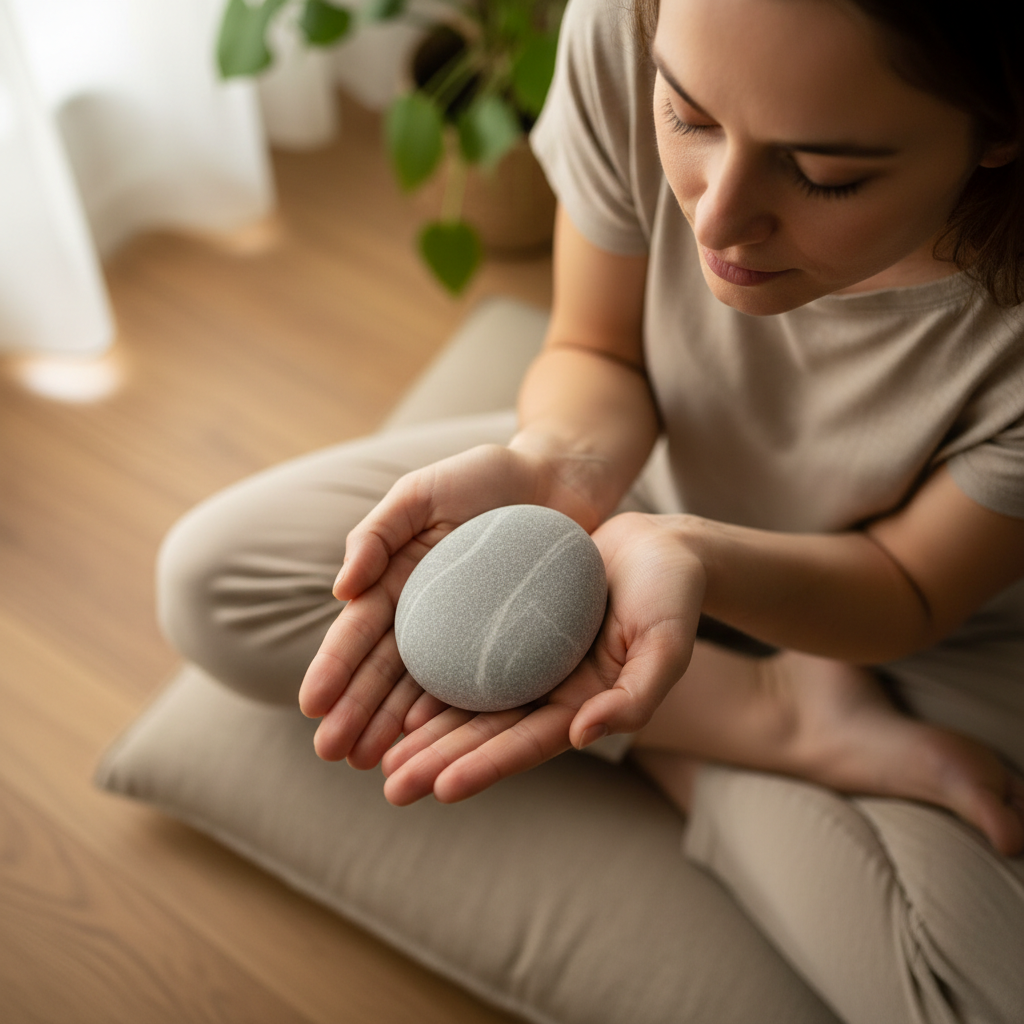
Practicing mindfulness regularly can lead to a host of benefits. It can improve your mental clarity, increase emotional resilience, and enhance your ability to cope with difficult situations. Additionally, it can promote a healthier lifestyle by encouraging positive habits and reducing impulsive decisions.
Research also shows that mindfulness can lower blood pressure, improve sleep quality, and boost the immune system. By incorporating mindfulness into your daily routine, you can experience these benefits and more.
Mindful Breathing Techniques
One of the simplest ways to practice mindfulness is through mindful breathing. This technique involves focusing on your breath to anchor yourself in the present moment. Here's a basic exercise to get you started:
- Find a comfortable seated position.
- Close your eyes and take a deep breath in through your nose.
- Hold your breath for a moment, then slowly exhale through your mouth.
- Repeat this process for several minutes, focusing solely on your breath.

Mindful Movement Practices
Mindful movement is another excellent way to relieve stress. Activities like yoga, tai chi, and walking meditation combine physical movement with mindfulness principles. These practices help you connect with your body, enhance flexibility, and promote relaxation.
To integrate mindful movement into your routine, start with short sessions and gradually increase the duration as you become more comfortable. Remember, the key is to remain present and aware throughout the activity.
Yoga for Stress Relief
Yoga is particularly effective for stress relief due to its focus on breath control, physical postures, and meditation. It offers a holistic approach to stress management that can be tailored to individual needs and preferences.
Creating a Mindful Environment
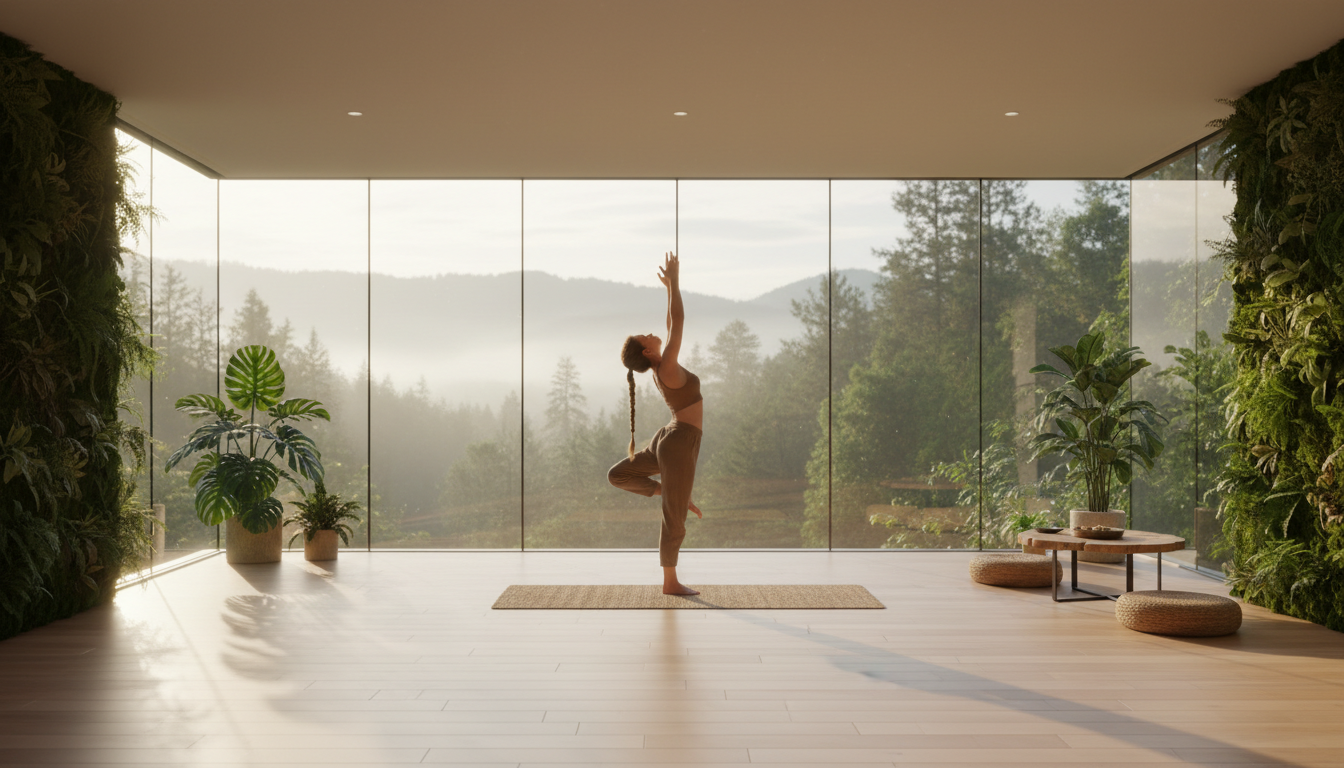
Your environment plays a crucial role in your ability to practice mindfulness. A clutter-free, serene space can enhance your mindfulness practice. Consider incorporating calming elements such as plants, soft lighting, and soothing scents.
By creating a dedicated mindfulness space, you signal to your mind and body that it's time to relax and focus, making it easier to achieve a state of mindfulness.
Conclusion
Incorporating mindfulness practices into your life can significantly reduce stress and improve your overall quality of life. Through mindful breathing, movement, and environmental adjustments, you can cultivate a sense of peace and presence.
Begin your mindfulness journey today and discover the profound impact it can have on your mental and physical well-being.