Tarot Reading Myths Debunked: What You Need to Know


Tarot reading has long been a source of intrigue and curiosity, but it's also surrounded by many myths and misconceptions. Whether you're a seasoned enthusiast or a curious newcomer, it's essential to separate fact from fiction. In this post, we'll explore some common myths about tarot reading and uncover the truth behind them.
Myth 1: Tarot Predicts the Future
One of the most pervasive myths about tarot reading is that it can predict the future. In reality, tarot is more about guidance and reflection than fortune-telling. The cards serve as a tool for introspection, helping individuals understand their current situations and explore potential outcomes based on their choices.
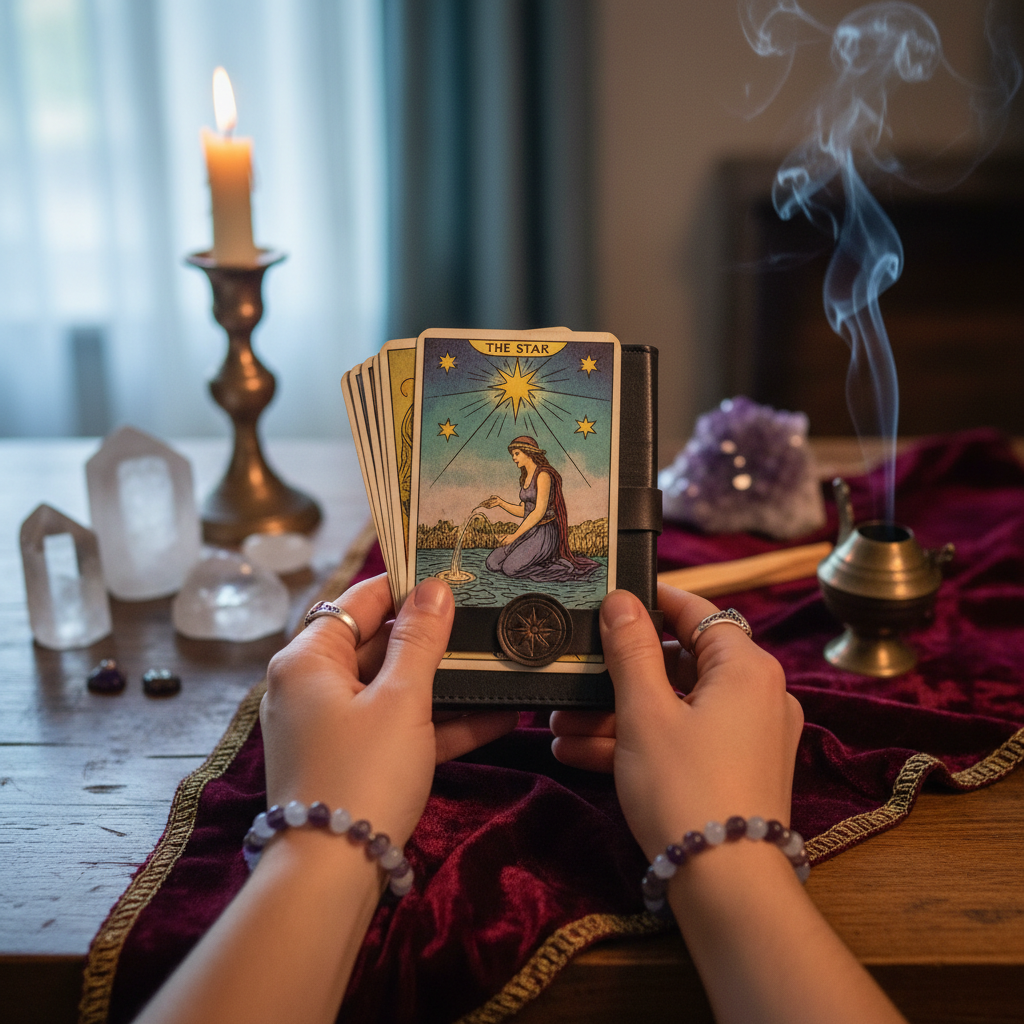
While tarot can offer insights and highlight possible paths, it's important to remember that the future is not set in stone. Free will and personal decisions play a significant role in shaping our lives.
Myth 2: You Must Have Psychic Abilities to Read Tarot
Another common belief is that only those with psychic abilities can read tarot cards. This is far from the truth. Anyone can learn to read tarot with practice and dedication. Understanding the meanings of the cards and how they relate to each other is a skill that can be developed over time.
Many readers rely on intuition, but this doesn't require any supernatural abilities. It's about tapping into your inner wisdom and connecting with the cards on a personal level.
Myth 3: Tarot is Evil or Dangerous
Some people associate tarot with negative or sinister forces, often due to its portrayal in popular media. However, tarot is not inherently evil or dangerous. It is simply a tool, and like any tool, its impact depends on how it is used.
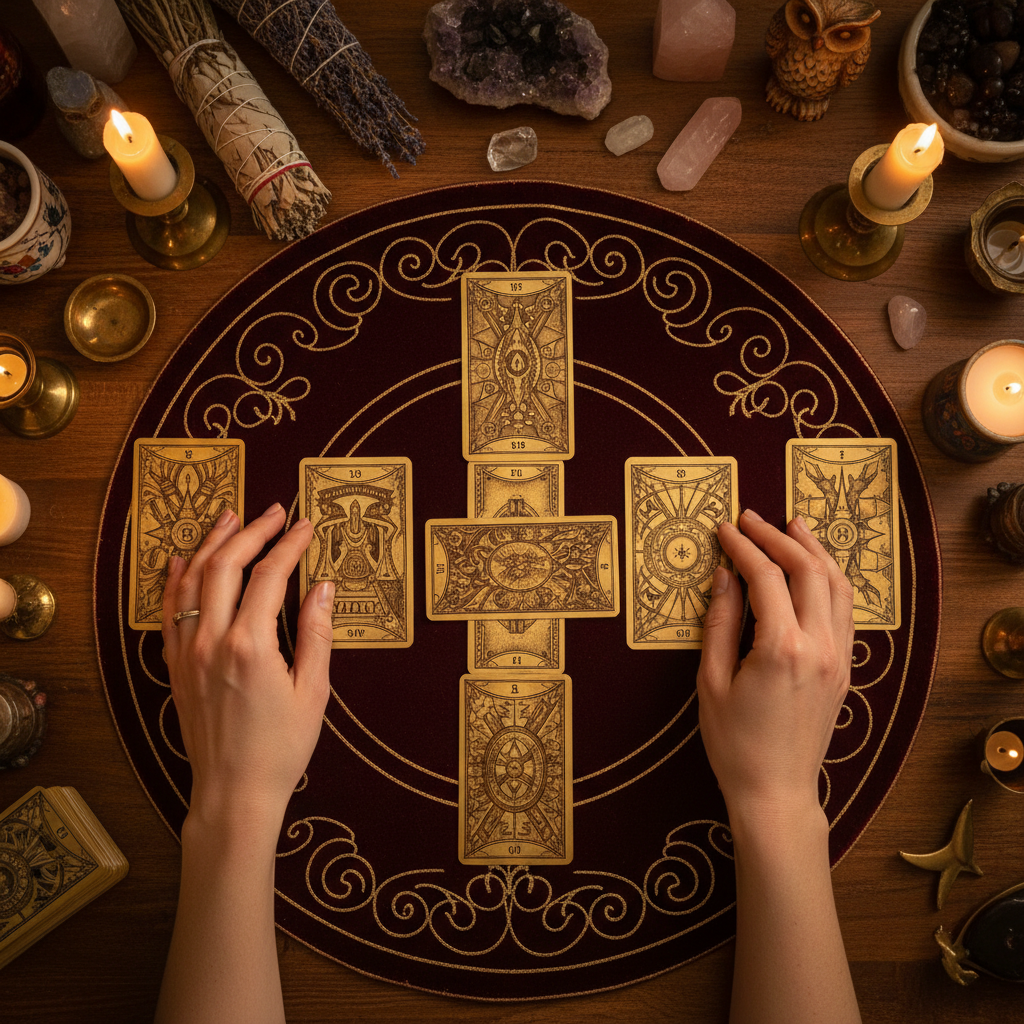
Tarot can be a powerful means of self-exploration and personal growth. It encourages individuals to think deeply about their lives and the choices they face, promoting mindfulness and self-awareness.
Myth 4: You Must Follow Strict Rules
There is a misconception that tarot reading must adhere to strict rules and rituals. While some readers enjoy incorporating rituals into their practice, there is no mandatory set of rules. Tarot is a deeply personal experience, and each reader can develop their own style and approach.
Whether you prefer a structured spread or a more intuitive method, the key is to find what resonates with you and your unique perspective.
Myth 5: Tarot is Only for Certain Types of Questions
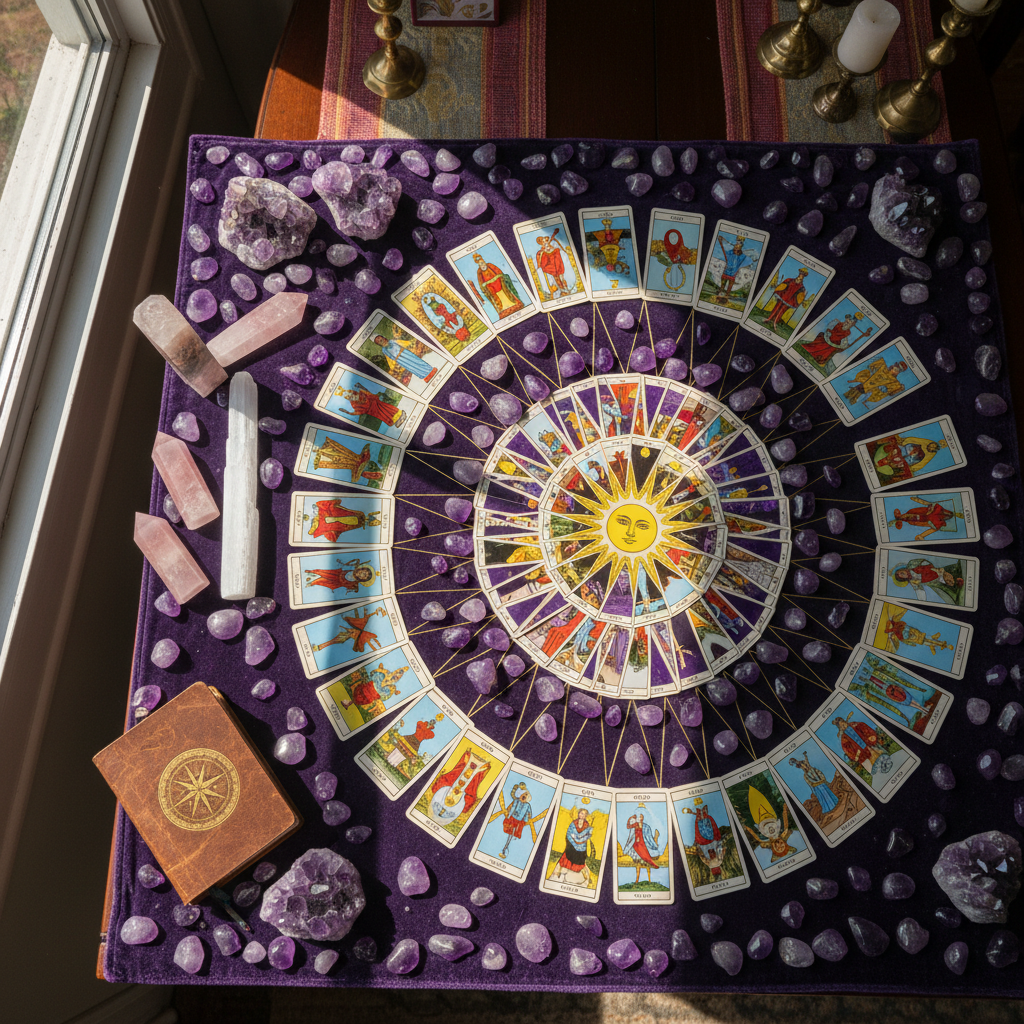
Some believe that tarot is only suitable for specific types of questions, such as those about love or career. In fact, tarot can be used to explore a wide range of topics, from personal development to spiritual growth. It can help shed light on any area of life where you seek clarity or guidance.
When approaching a tarot reading, it's important to ask open-ended questions that invite exploration and insight rather than yes-or-no answers.
By dispelling these myths, we can appreciate tarot for what it truly is: a versatile and insightful tool for reflection and personal growth. Whether you're new to tarot or have been reading for years, understanding these misconceptions can enhance your experience and deepen your connection with the cards.