Understanding Tarot: Debunking Common Myths and Misconceptions


Introduction to Tarot
Tarot cards have fascinated people for centuries, often shrouded in mystery and intrigue. Despite their popularity, there are many myths and misconceptions about what tarot truly is and how it works. This post aims to clarify some of these misunderstandings and provide a clearer picture of tarot's purpose and function.

Myth 1: Tarot Predicts the Future
A common misconception is that tarot cards can predict the future with certainty. In reality, tarot is a tool for reflection and self-discovery. It offers insights into potential outcomes based on current circumstances and decisions. The future is not set in stone, and tarot encourages users to explore possibilities and make informed choices.
The Role of Intuition
Tarot readings often rely on the reader’s intuition and the querent's own insights. The cards serve as a guide, helping individuals tap into their subconscious and explore their thoughts and feelings. This process can lead to personal growth and a deeper understanding of one's life path.
Myth 2: Tarot is a Form of Magic
Another widespread myth is that tarot involves magic or supernatural forces. In reality, tarot is not inherently magical. It is a tool that uses symbolism and archetypes to delve into the human psyche. The power of tarot lies in its ability to facilitate introspection and foster a deeper connection with oneself.
Understanding the Symbols
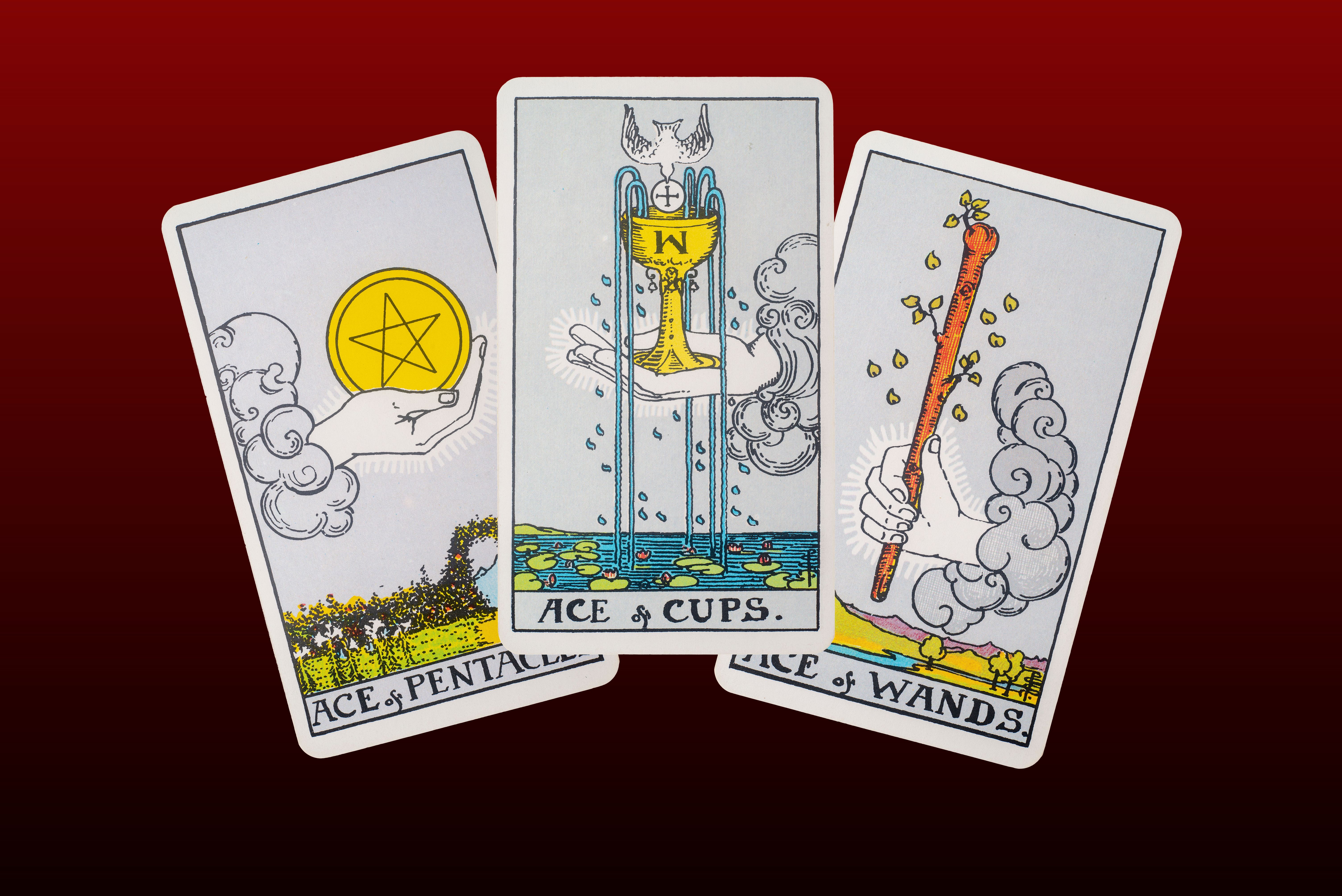
The imagery and symbols on tarot cards are rich and varied, drawing from a wide range of cultural, spiritual, and psychological sources. These symbols are meant to provoke thought and evoke emotions, allowing users to explore their own narratives and experiences.
Myth 3: Tarot is Only for the Spiritual
Many people believe that tarot is only for those who are spiritual or have a particular belief system. In truth, tarot can be used by anyone, regardless of their spiritual or religious background. It is a versatile tool for self-reflection and can be adapted to fit any personal philosophy.
Applications Beyond Spirituality
Tarot can be used in various contexts, from creative inspiration to problem-solving in everyday life. Professionals in fields like psychology and coaching also use tarot to help clients gain new perspectives and insights into their challenges.
Conclusion
Understanding tarot involves debunking myths and recognizing its true purpose as a tool for personal development and insight. By approaching tarot with an open mind and a willingness to explore, individuals can gain valuable guidance and clarity. Whether used for reflection, inspiration, or decision-making, tarot offers a rich and rewarding experience.